

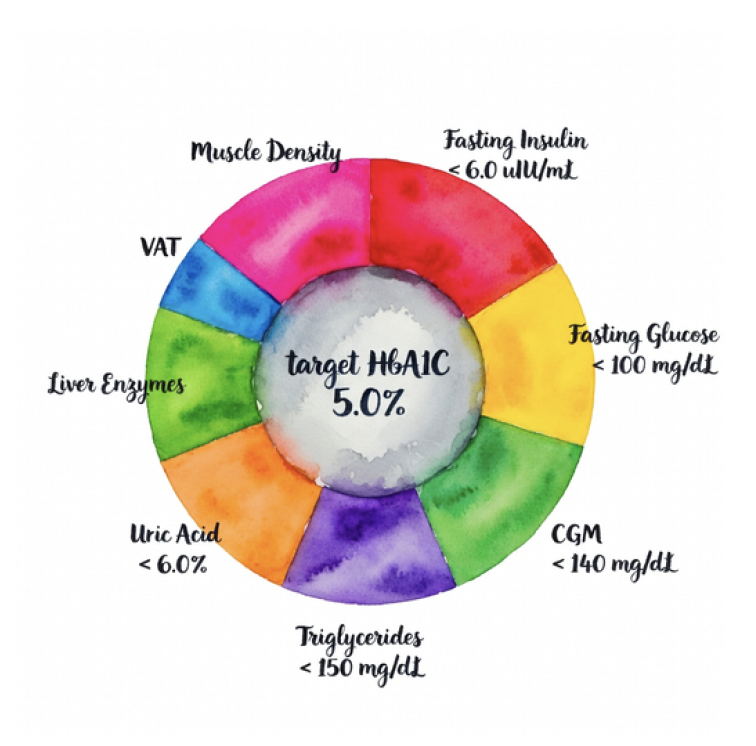
Understanding one’s true metabolic risk is a diagnostic challenge—and the core of what I do when analyzing metrics at your yearly physical because of it’s implication in almost every health metric. Poor metabolic health drives chronic diseases like diabetes, heart issues, brain health, and more in the US. So how do we organize true risk with the tightest possible confidence interval? The next 300 words outline my algorithmic thought process, blending science, data, and dialogue to empower your optimization.
Step 1: Grasp the Physiology Basics
First, let’s link it simply: Metabolic health is your body’s efficiency in processing food into energy—converting carbs to glucose, with insulin acting as the key to unlock cells for uptake. When this glitches (insulin resistance), excess glucose and fats build up, fueling inflammation and damage across all systems. It spikes cardiovascular risk by hardening arteries (#endothelial dysfunction), impairs brain health leading to brain fog or cognitive decline, causes fatty liver disease, strains kidneys with filtration overload, and touches nearly everything—mood, energy, even cancer risk. It’s powerful enough to be a solitary pillar of health; fix metabolism, and the ripple effects boost overall vitality.
Step 2: Dive into Data
Next, objective blood tests flag high-risk patients: Fasting insulin (optimal <6 μU/mL) spots early resistance; HbA1c (optimal = 5.0%) averages glucose over months; fasting glucose (<100 mg/dL) checks baseline sugar; uric acid (<6 mg/dL) ties to inflammation; liver enzymes (ALT/AST) signal fatty buildup; triglycerides (<150 mg/dL) reflect fat handling. If trends are confusing, I love to check interstitial glucose measurements with a continuous glucose monitor (CGM). Trends matter more than isolated reads—zoom out for the story.
Step 3: Assess Body Composition
Then, we layer in scans: DEXA or our InBody for precise fat mapping. Visceral fat (deep around organs) drives risk more than subcutaneous (under skin); aim for VAT area <100 cm2. Muscle mass is crucial—it’s a “sink” for glucose via GLUT4 transporters, enhancing uptake and stabilizing blood sugar. Low muscle = higher risk. It’s inspiring to see how fast metabolic health improves when building muscle.
Step 4: Unearth Lifestyle and Optimize
Now, discussion uncovers habits: nutrition (low-glycemic, fiber-rich, high protein), exercise (weights for muscle, cardio for efficiency), sleep, stress management. Finally, hack weak spots—targeted plans for high risk, flexible for low, and choose a platform that works for your needs. This is medicine’s art: goal-directed, yet individualized. As we step into 2026, find joy in optimization. We’ve dialed in both western and eastern medicine treatment options so well that poor metabolic health is a choice above all else.